The routine checks and the log book
Module 7 of 8 · about 9 minutes
Module 7 of 8 · sScreen 1 of 12 · about 9 minutes
In this module
By the end you will be able to:
- List the routine checks and how often each is done
- Take a tap temperature the way an assessor does, and know what a failure means
- Keep a log book an inspector can read
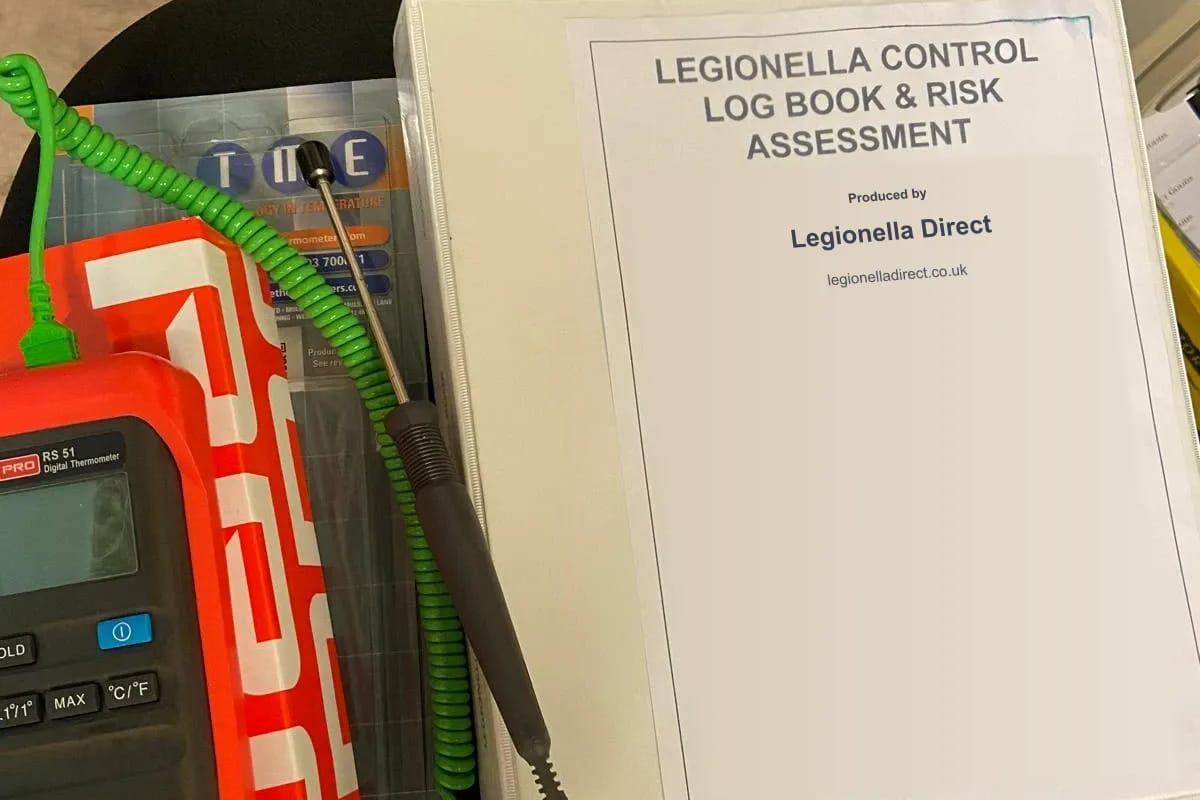
Half of last month's boxes are empty. What does an inspector read into that?
What an assessor sees
That the checks were not done, or were done and not written down, and to an inspector those are the same thing. The log book is the proof that the controls in the written scheme are working. An empty box is a control you cannot show.
Monthly: the sentinel temperatures
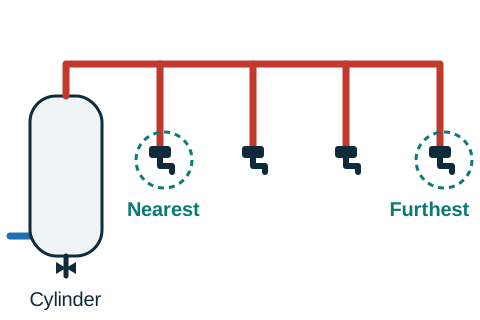
Every month the temperature is taken at the sentinel outlets: the taps nearest to and furthest from the cylinder or tank, plus key points on long branches. Hot: 50 °C within a minute (55 °C in healthcare premises). Cold: below 20 °C within two minutes, watching the reading for a cold pipe that is picking up heat.
The same month, the calorifier's flow and return are read: 60 °C out, not below 50 °C back. Over the year, other outlets are checked in turn, so that every corner of the system is shown to reach temperature.
Weekly, quarterly, yearly
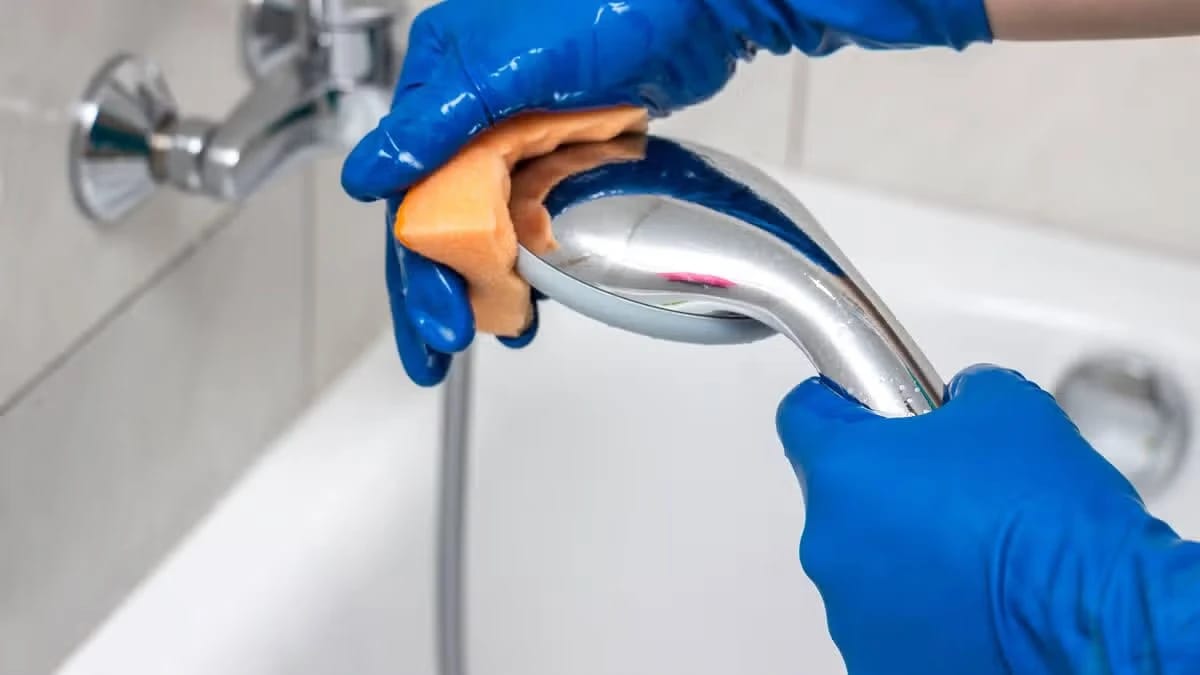
Weekly: every outlet not in regular use is flushed for several minutes and the flush is logged. Once started it must not lapse. Quarterly: shower heads, inserts and hoses are taken apart, cleaned and descaled.
Yearly: the cold water tank is inspected and its summer temperature checked; the calorifier is inspected inside and cleaned by draining. Every six months at least: emergency showers and eyebaths are flushed through to drain. Mixing valves are serviced yearly, or as often as the risk assessment sets, following the maker's instructions.
Quick question
The routine, in the HSE's words
HSG274 Part 2 sets the routine out as a table. These are the lines most buildings live by.
The HSE’s words · 1 of 4
Every month, the temperature is taken at the sentinel outlets: the nearest and furthest taps from the tank or cylinder.
An outlet not in regular use is flushed weekly, for several minutes, and the flush is logged; once started it must not lapse.
Every three months, shower heads, inserts and hoses are taken apart, cleaned and descaled; more often where they foul quickly or the people at risk need it.
Cold water tanks are inspected once a year and put right where needed; the stored water's temperature is checked in summer, away from the ball valve, against the incoming mains.
Taking a temperature properly, and writing it down
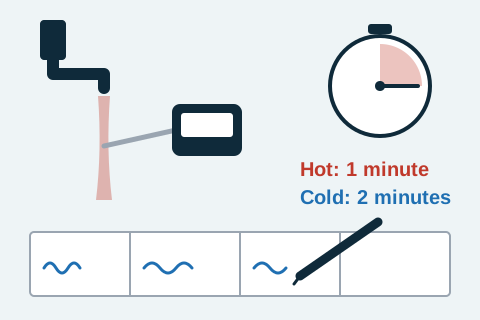
Use a calibrated probe thermometer, not a strip or a guess. Hot: run the tap, hold the probe in the stream, and read at one minute. Cold: read at two minutes, and watch for a reading that climbs. Write the outlet, the date, the reading and your initials. At a tap with a mixing valve, read the hot supply before the valve, not the blended stream; your scheme says where.
A failure is written down too, with what was done: a pump checked, a branch flushed, the responsible person told. The log is kept for at least five years. A page of passes with no failures ever recorded is itself a question an inspector will ask.
Quick question
In your building
For something else, or i just want to understand it.
Write your routine as a list with a frequency and a name against each line: weekly flushing, monthly sentinels, quarterly shower heads, yearly tank and calorifier. Then keep the log where the next person will find it.
This week: find the log book, and read last month's page.
In short
- Monthly: sentinel temperatures (nearest and furthest outlets) and the calorifier's flow and return; other outlets in turn through the year.
- Weekly flushing of little-used outlets, never allowed to lapse; quarterly shower heads cleaned and descaled; yearly tank and calorifier inspections.
- A calibrated probe, one minute hot, two minutes cold, every reading written down, failures and what was done included; kept five years.
Before you go · question 1 of 3 · not marked
Module 7 of 8 done
Next: Module 8, Records, results and when things go wrong.
Save and carry on later: this browser remembers where you are.
Sources
Words last checked 17 October 2026. Spotted a mistake? Tell us. Course version 2026.10.